



Private Life Section
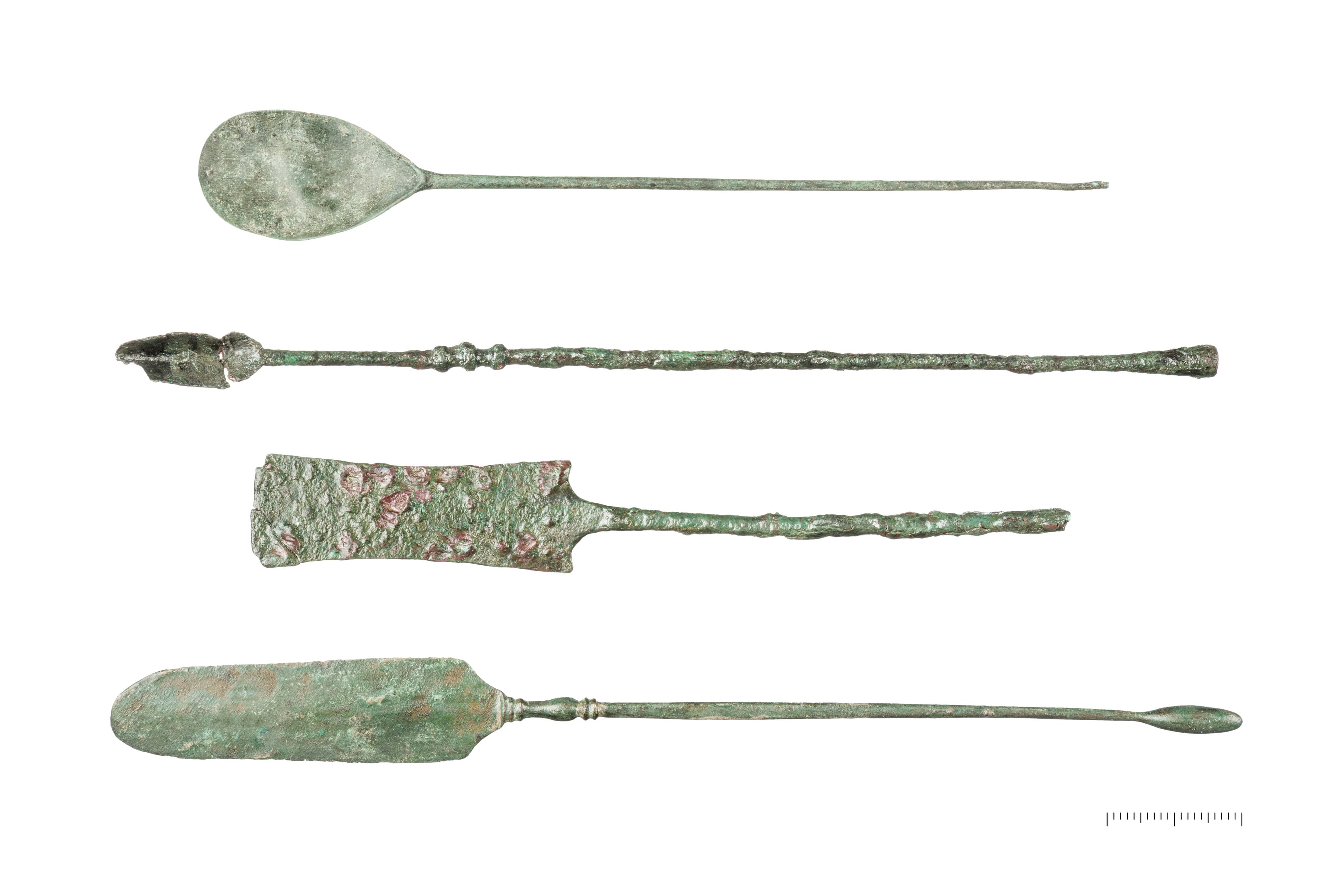
Occupational activities of the Abderites, such as animal husbandry, fishing, or more specialised occupations, such as medicine, have been identified from finds such as utensils and tools used for their practice.
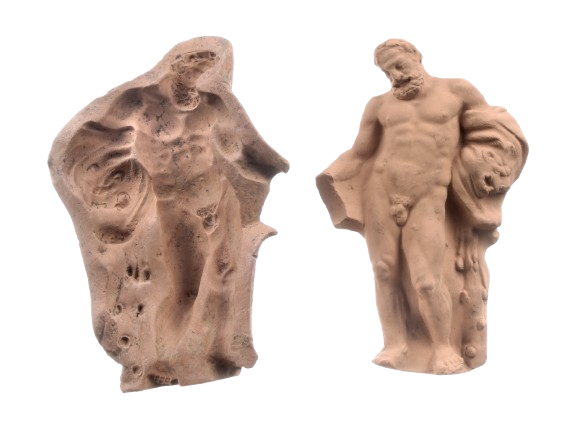
The existence of small-scale industries and workshops is certain. Moulds of vessels, figurines and coins, seals with decorative motifs and stamped roof tiles have been found.
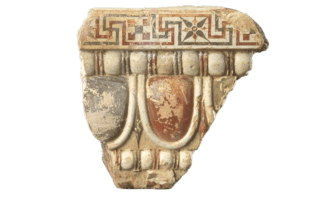
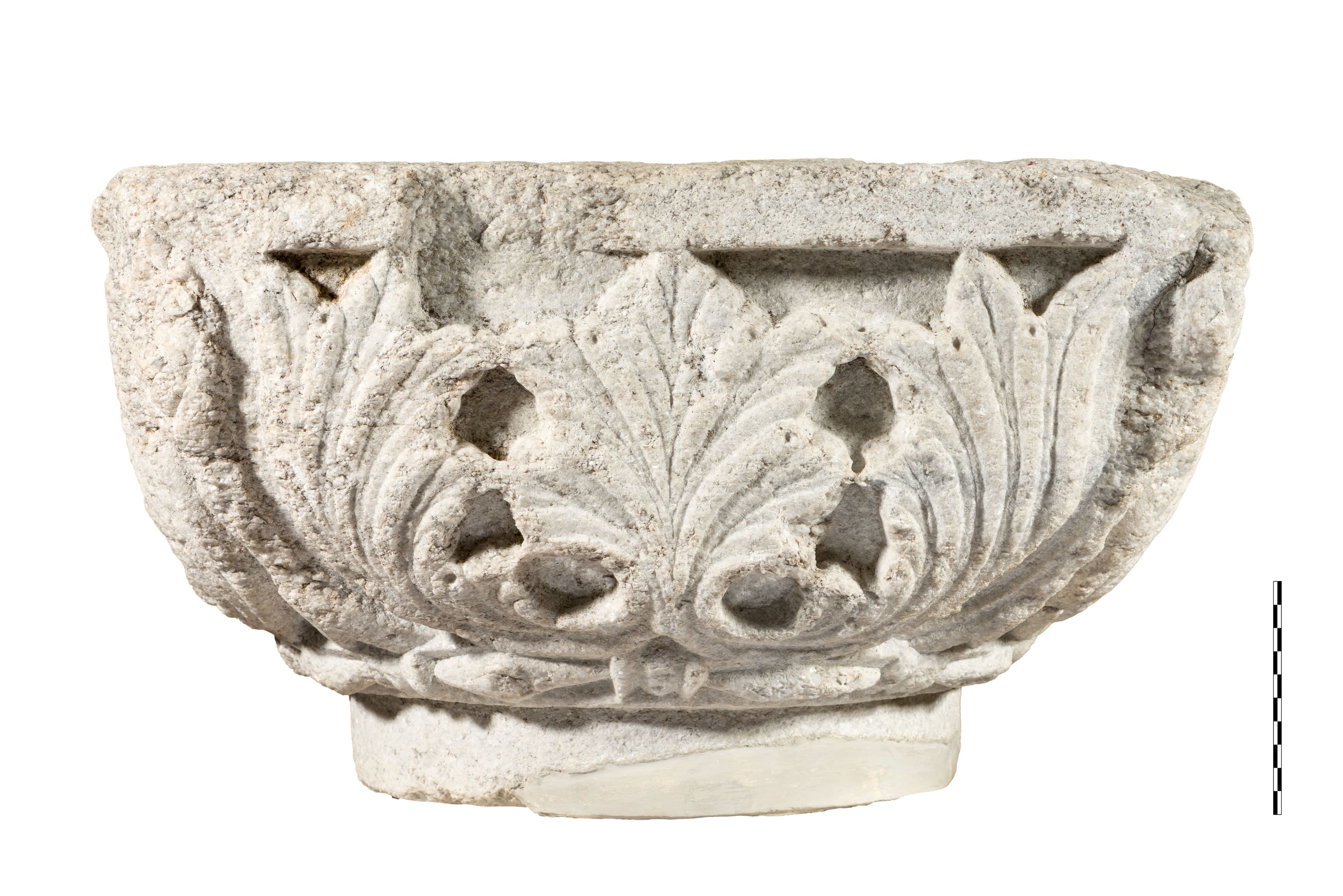
Wine transport amphorae are also on display, indicating trade contacts with inhabitants of remote areas. Parts of the superstructure of buildings, a mosaic floor, part of a fresco, a capital and a closure slab of an episcopal throne from the Episcopal church in Polystylon reflect the building activity.
 |
 |
 |
 |
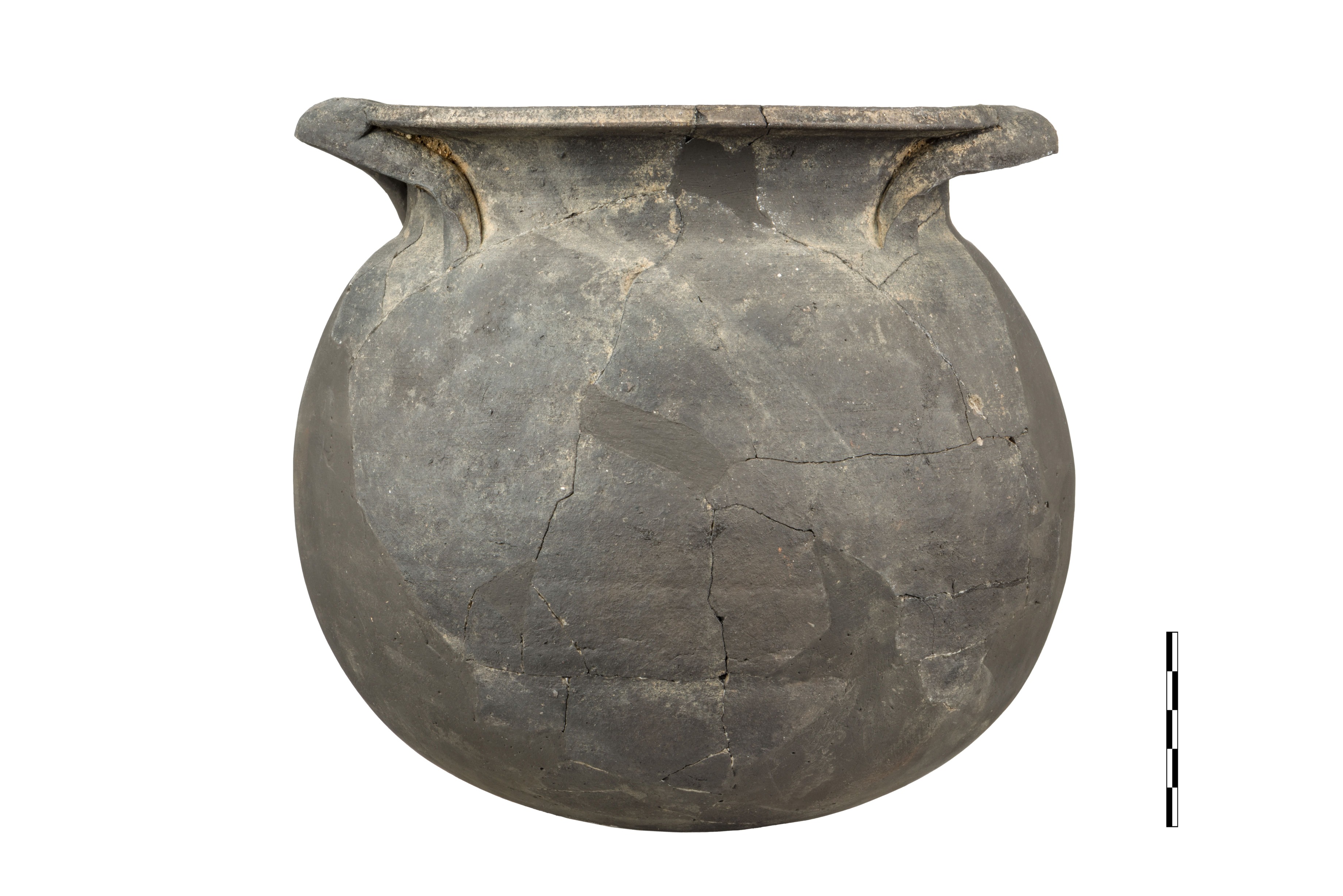
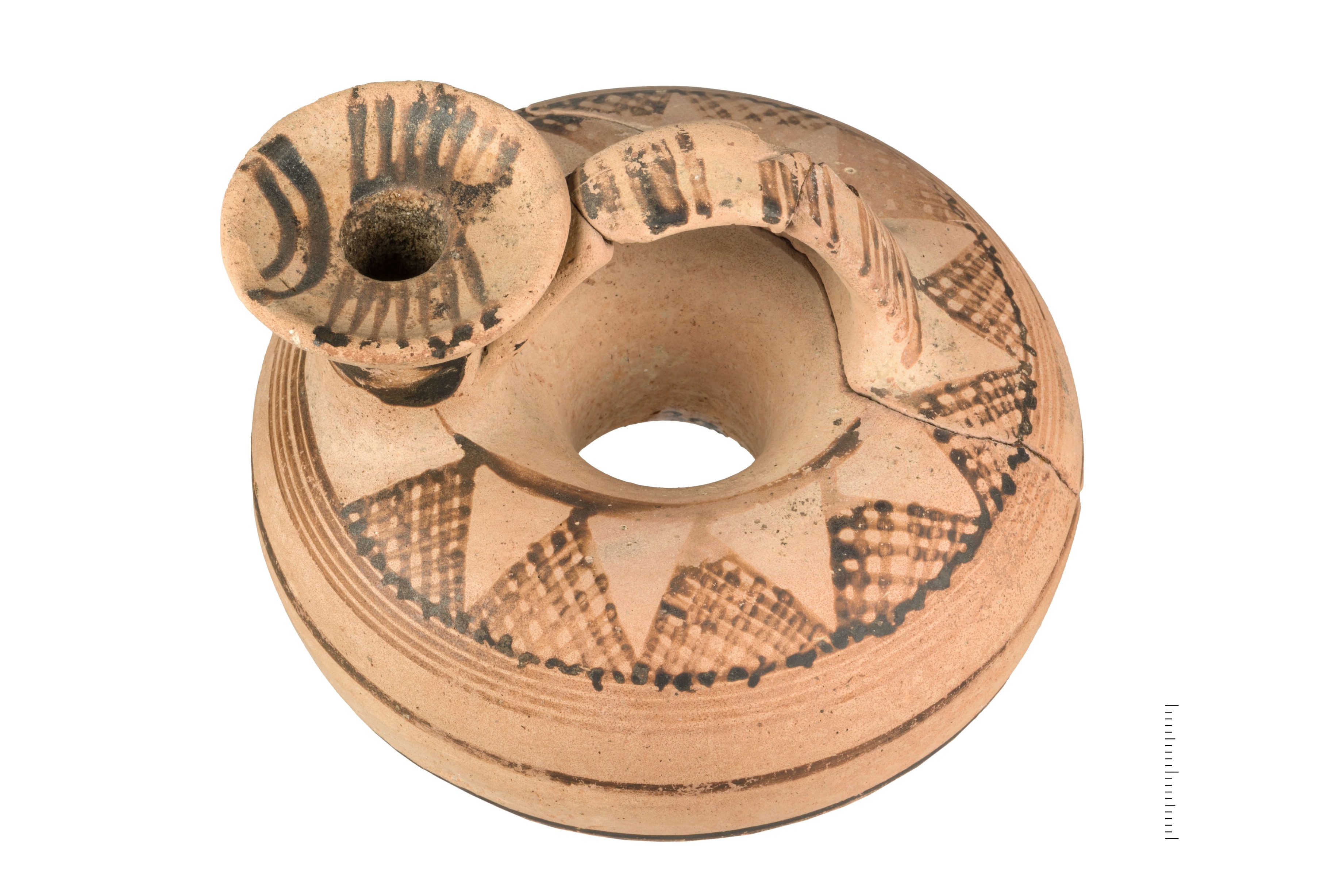
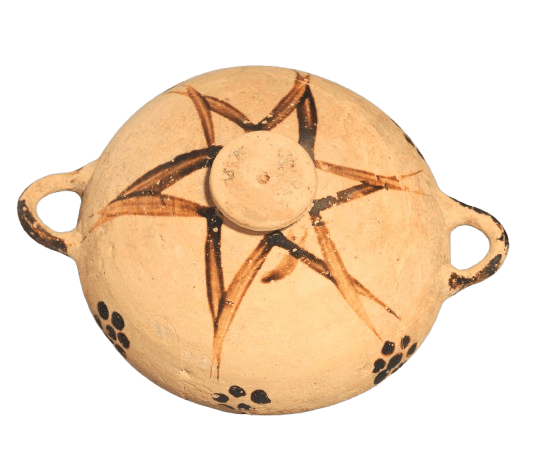
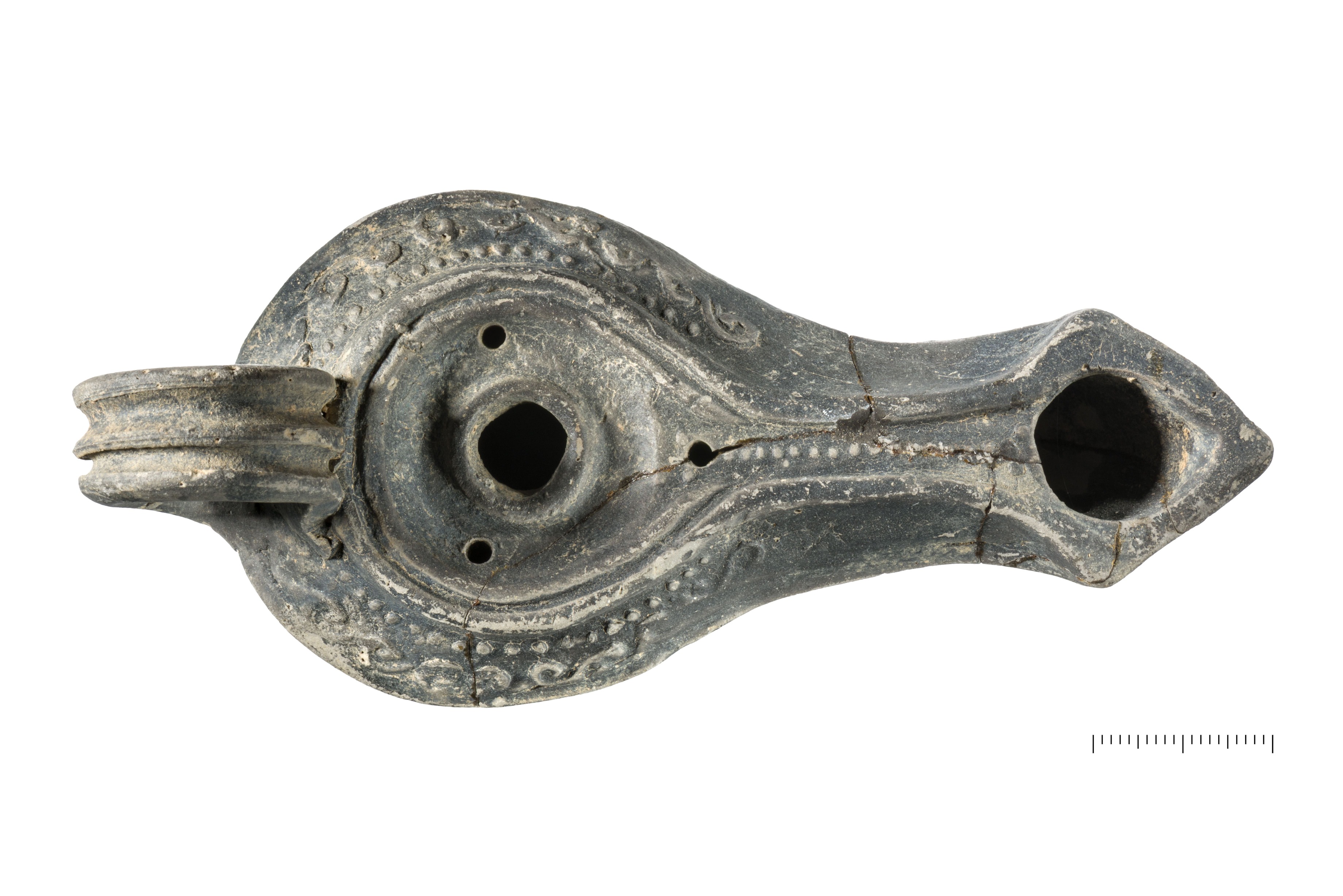
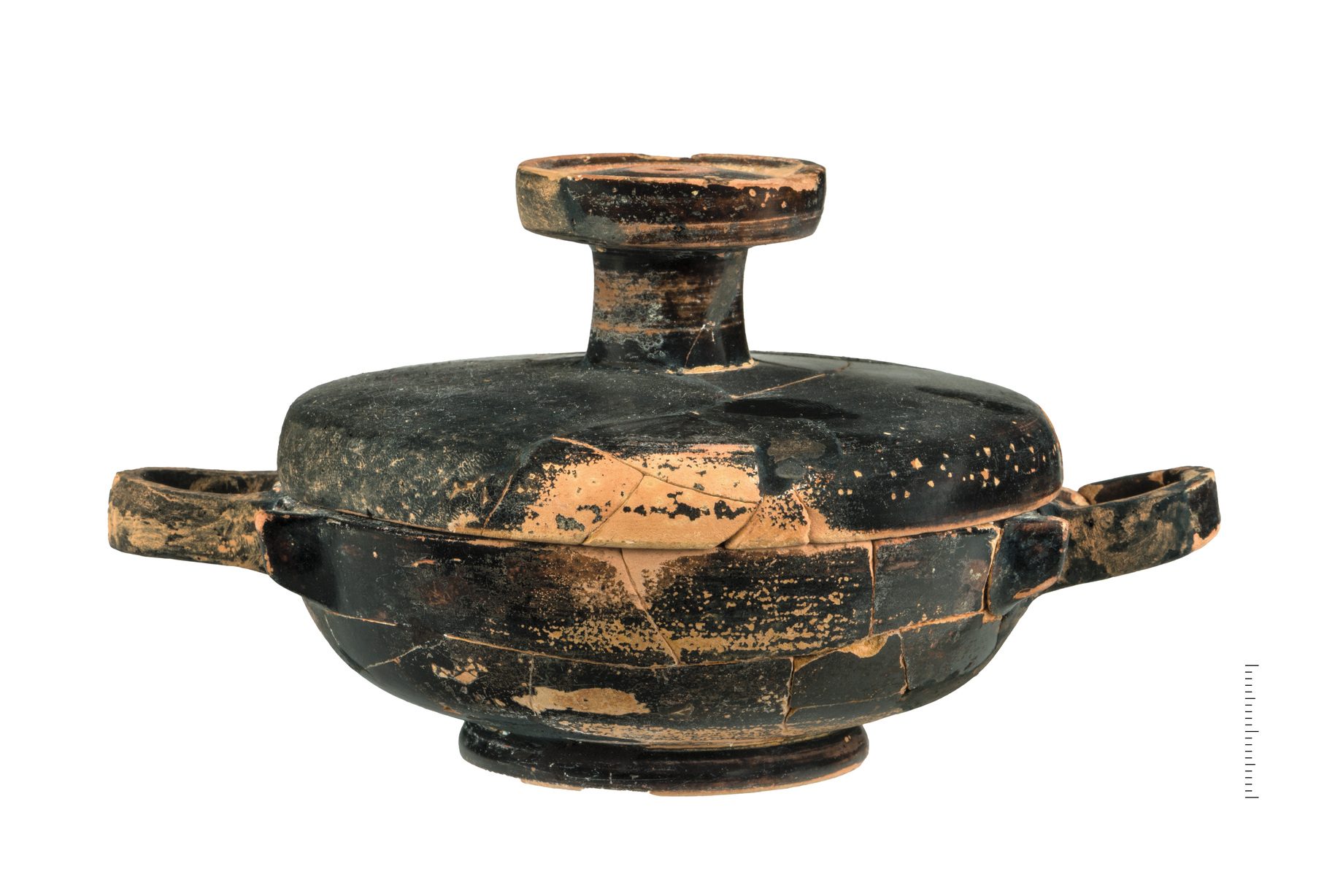
Clay vessels dominated the domestic life of Abdera. They were used daily for preparing and consuming food or for special occasions, such as transporting and using perfumes. The Abderites mainly used vessels of their own production, e.g. a particular type of bowl with rayed decoration. Inside the houses, lamps were essential for lighting, while the whorls and loom weights testify to women’s weaving activity.
 |
 |
 |
 |
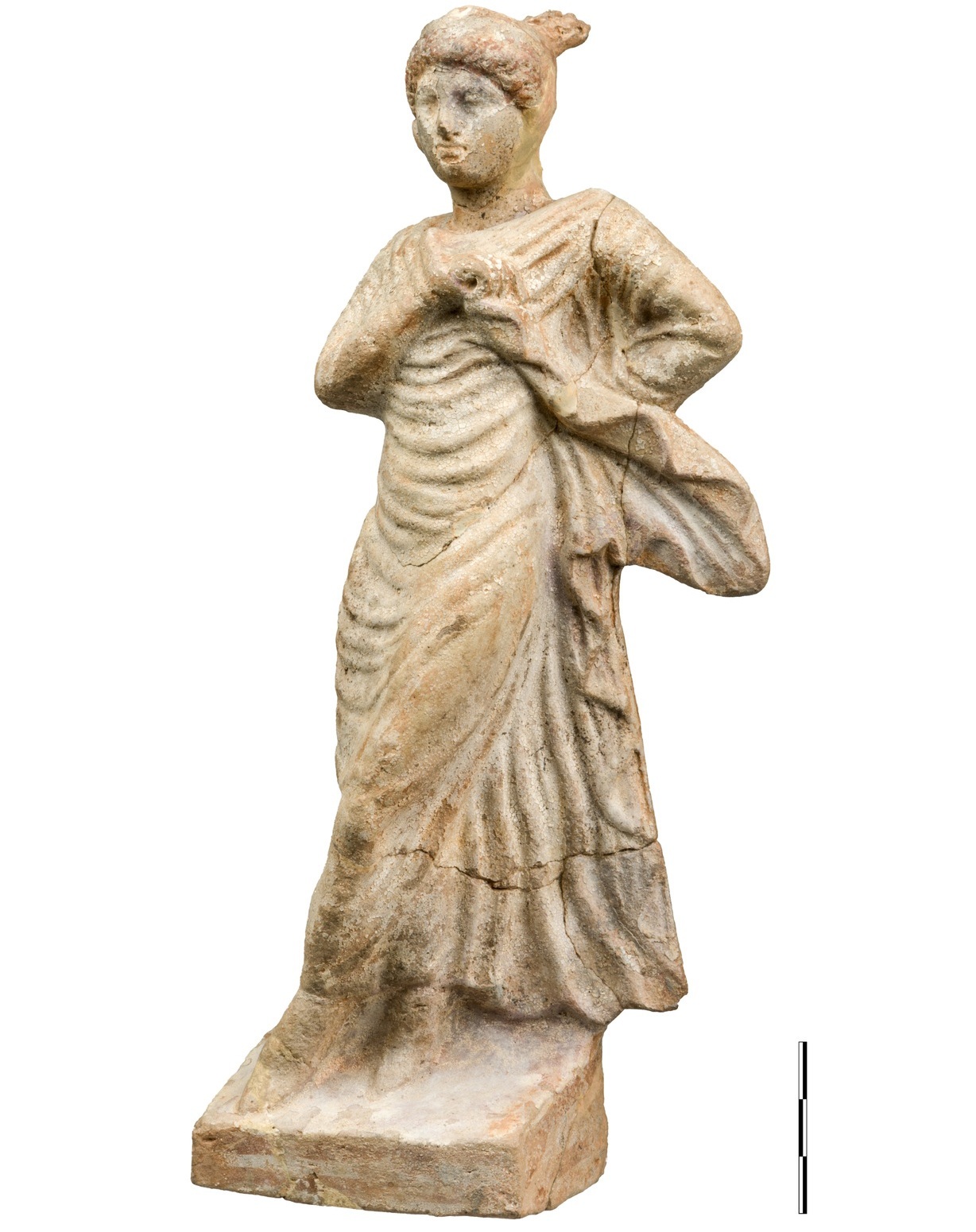
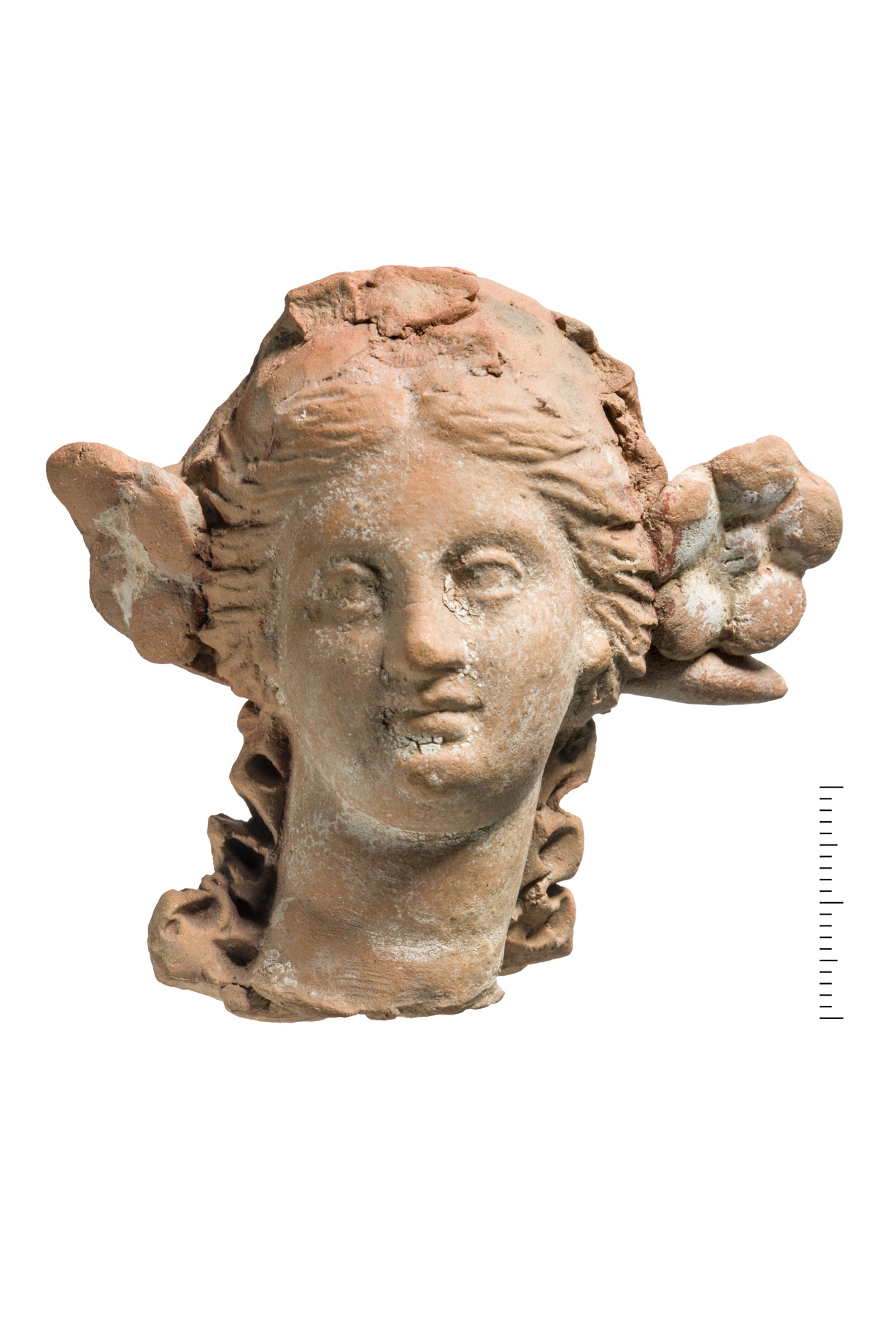
We draw information about the style of clothes, the way they were worn and the type of hairstyles of men and women from the figurines and the clothing and hairstyle accessories (brooches and pins).
 |
 |
 |
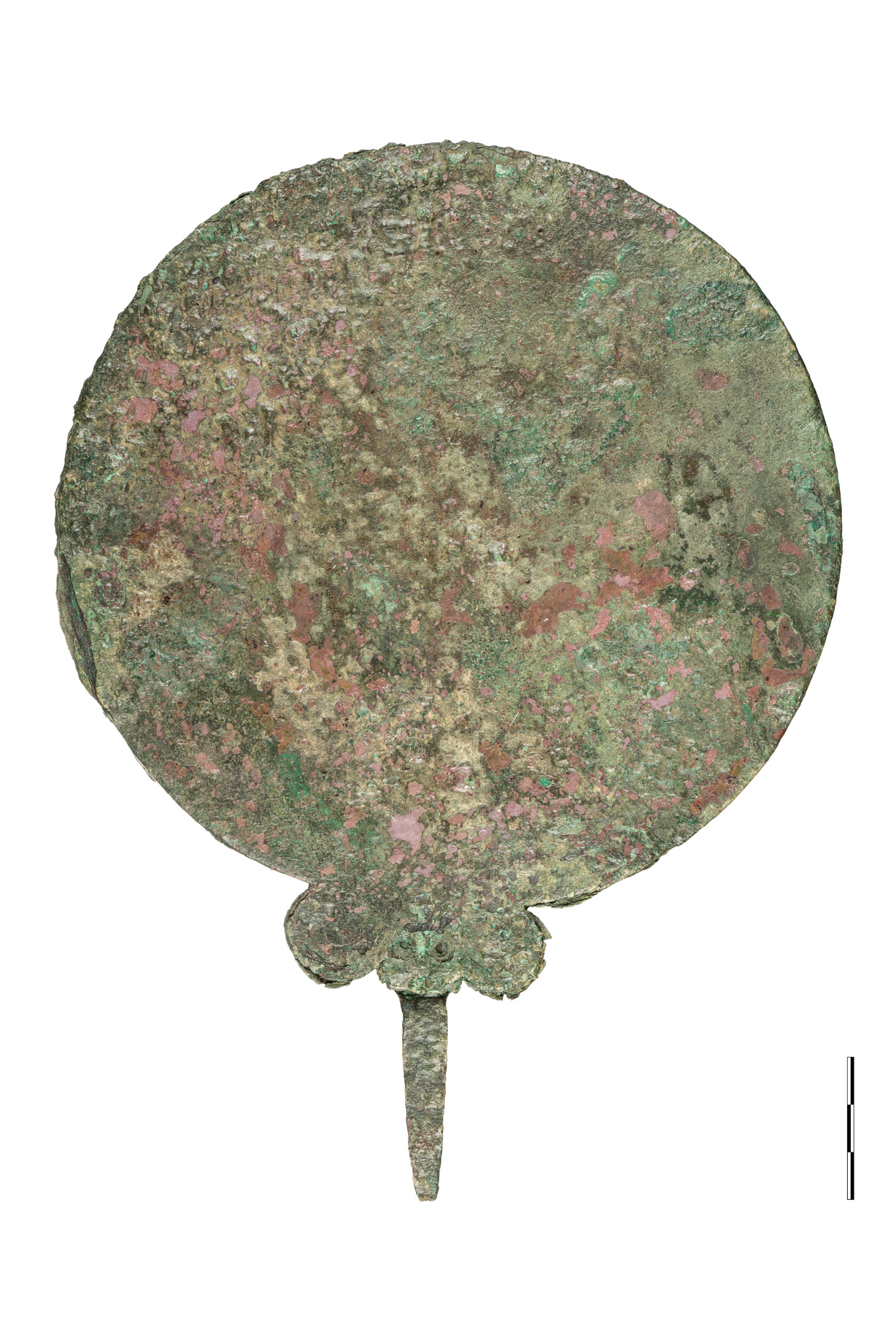 |
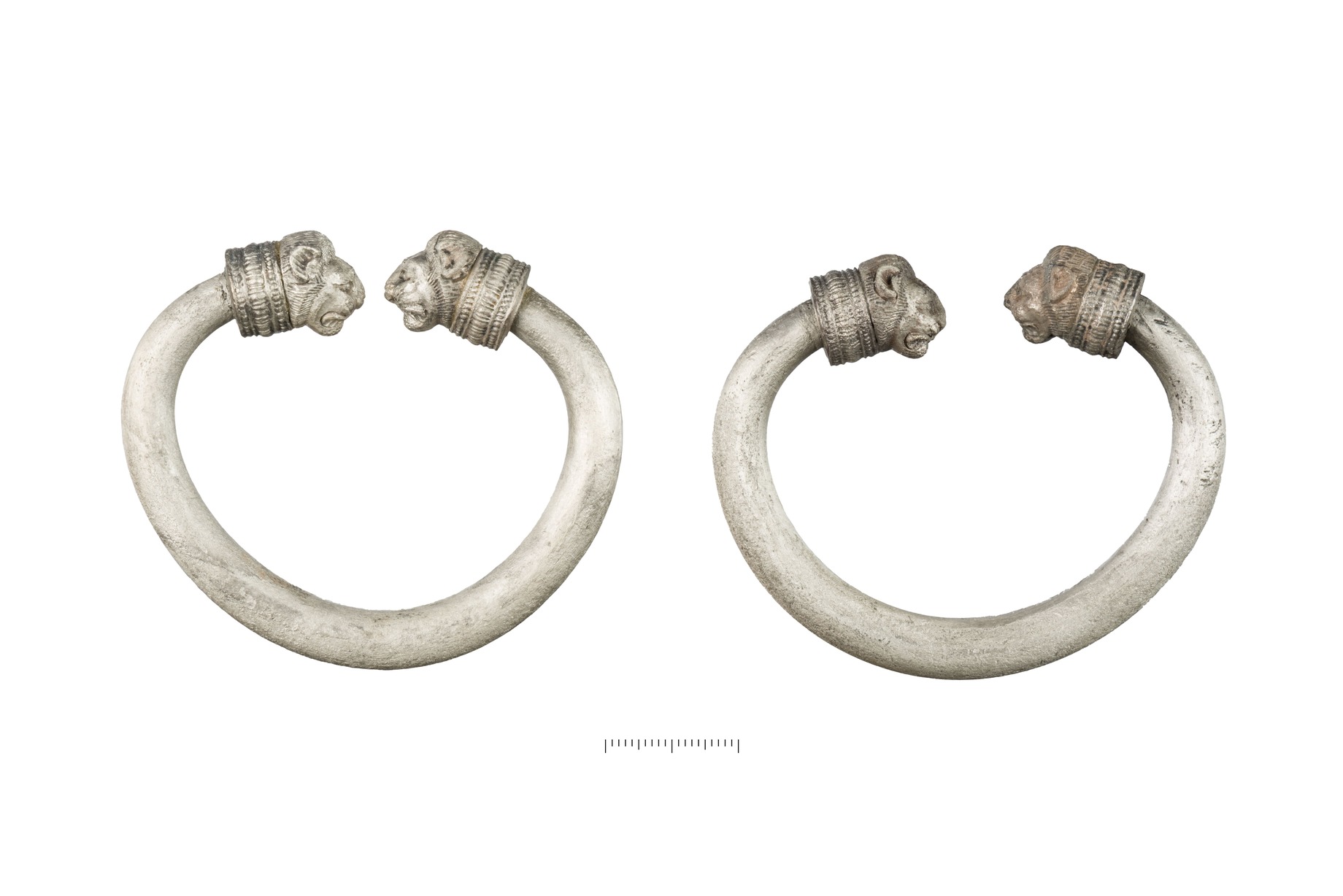
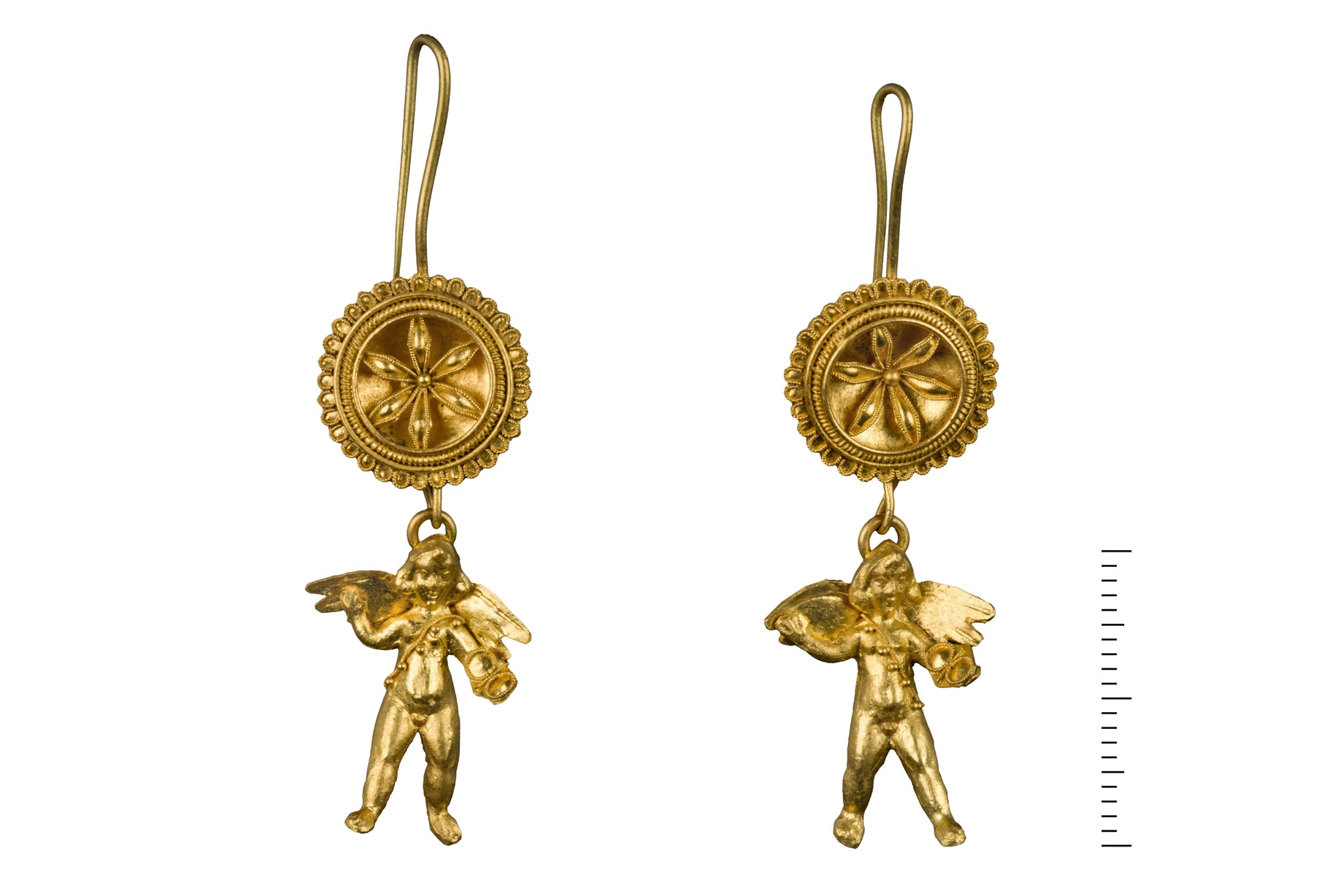
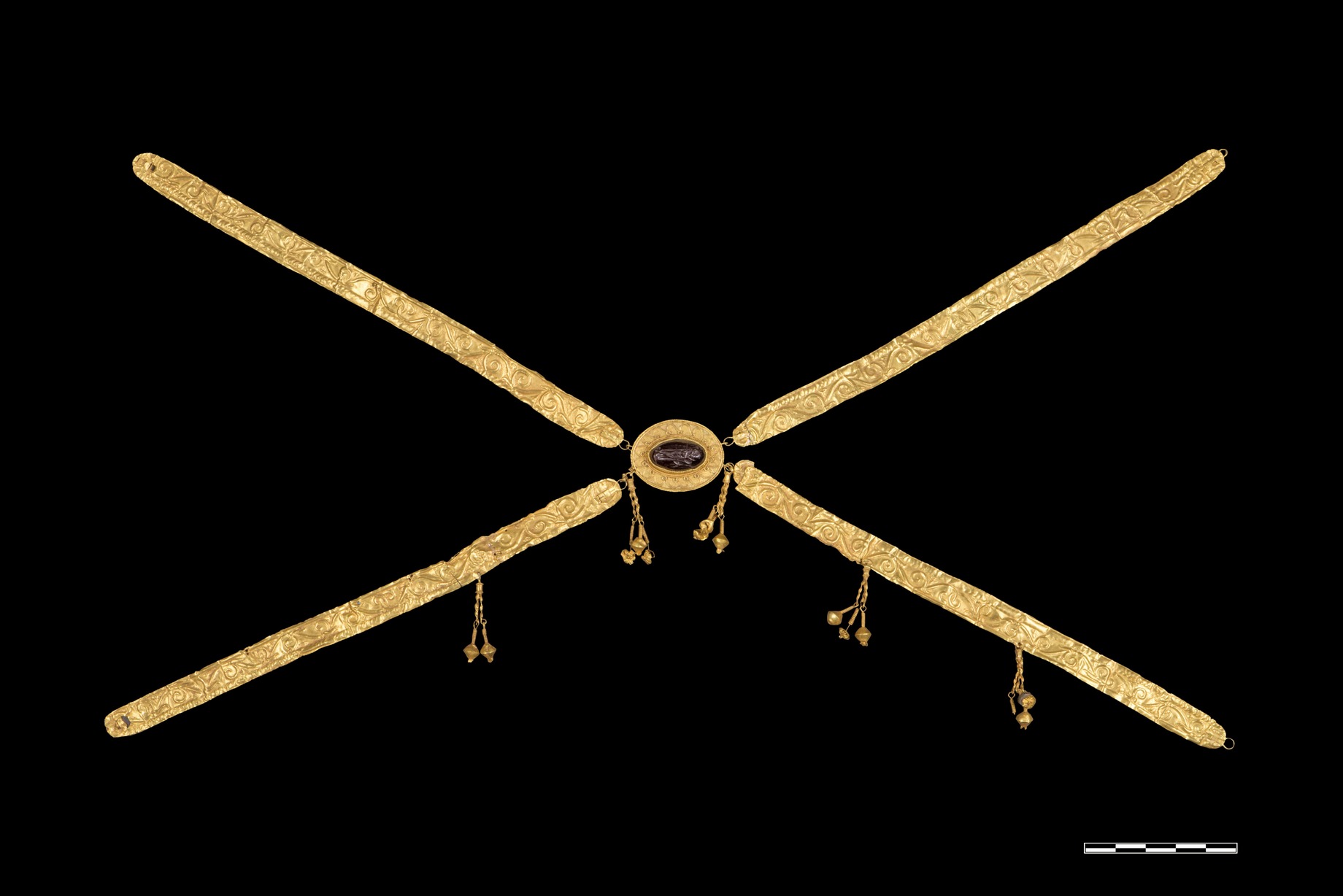
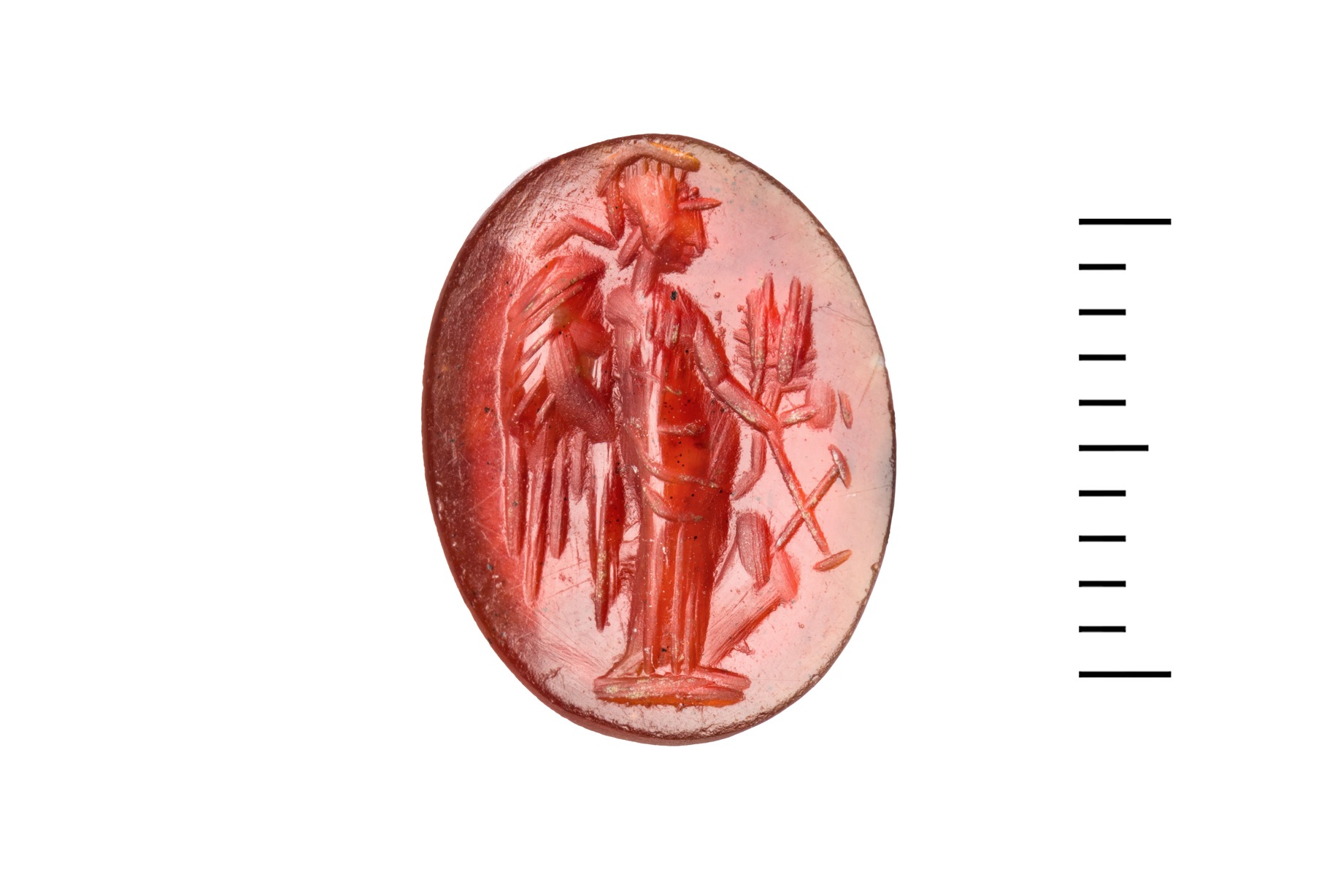
Women and men used perfume jars, jewellery cases, mirrors, strigils, tweezers, and small knives for grooming. They complemented their clothing with a variety of jewellery, some of which was made of fine and some of cheap materials.
 |
 |
 |
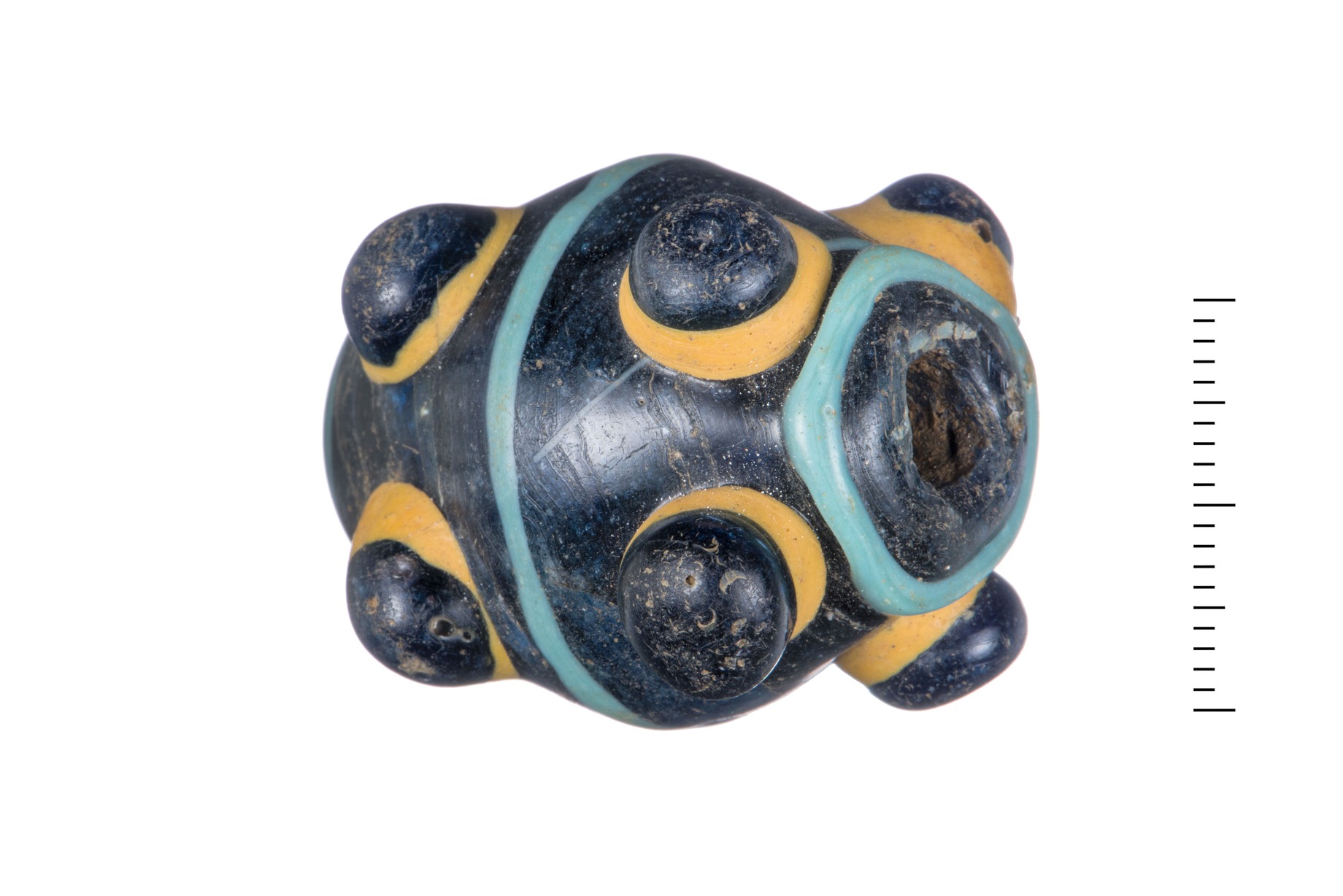 |
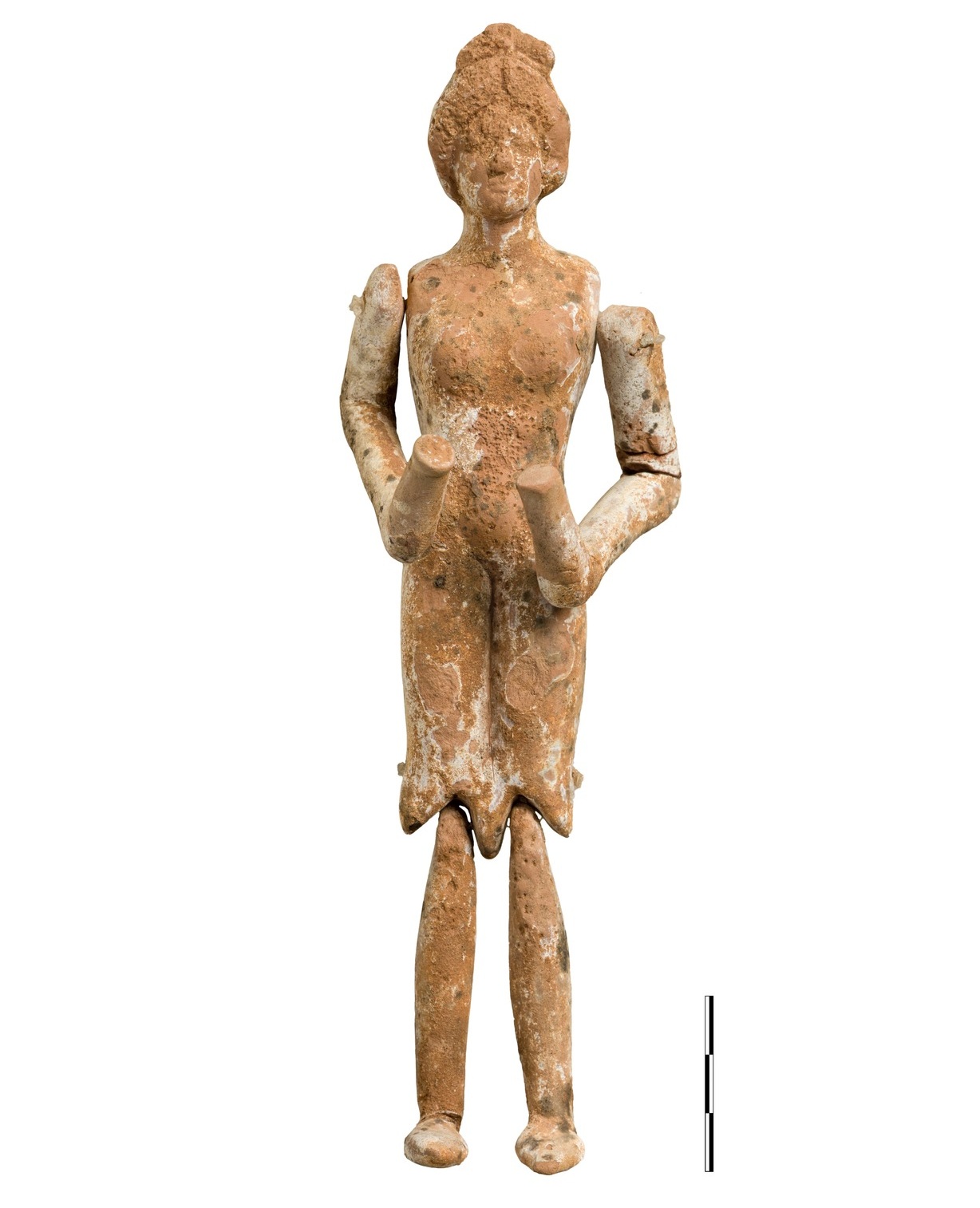
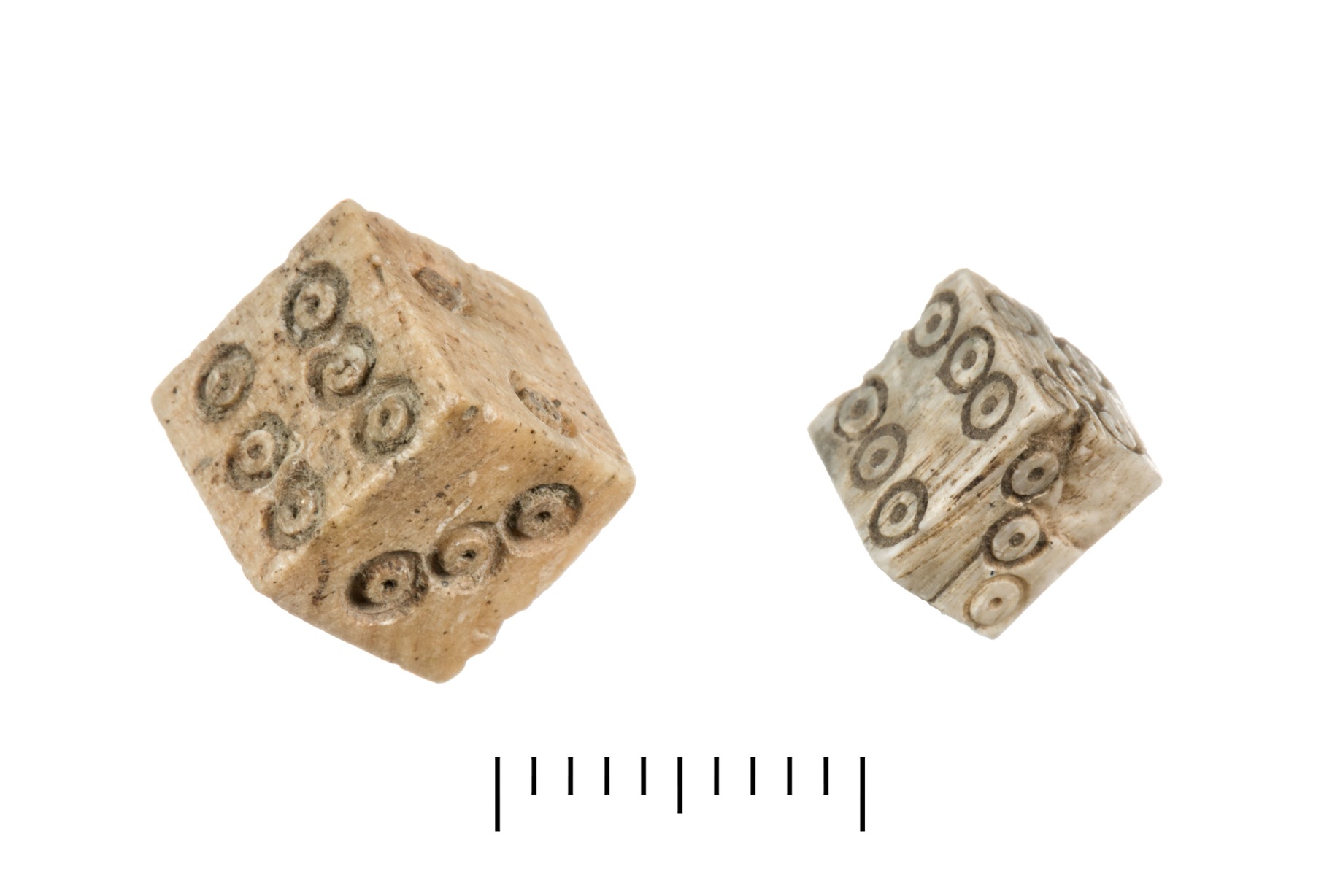
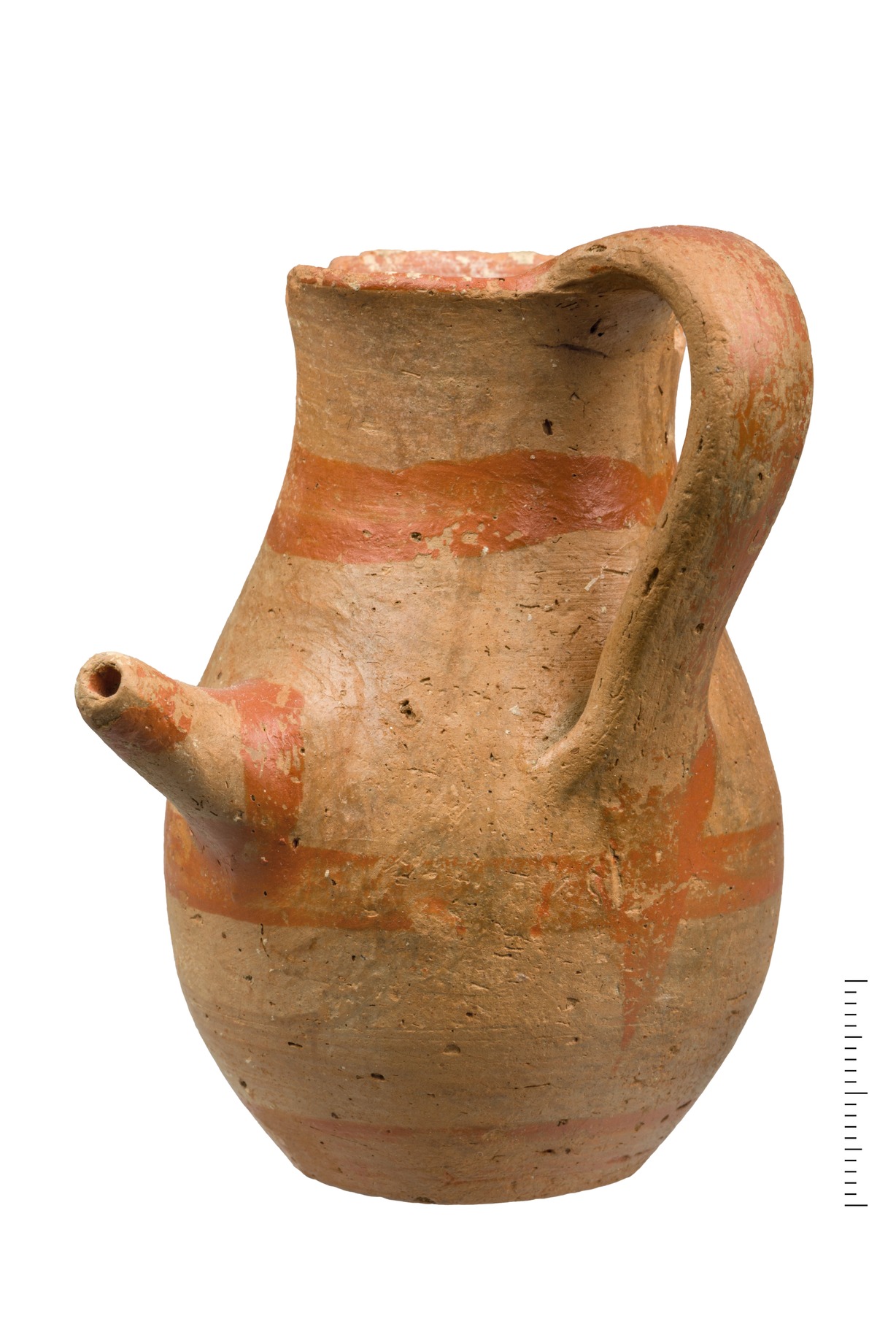
A series of toys, jewellery, figurines and utilitarian objects, such as feeding bottles, styli (pens) and inkwells, give us an insight into the daily life of children inside and outside the house.
 |
 |
 |
 |